

Crash Rhino’s Top 25 Books of the Year 2025
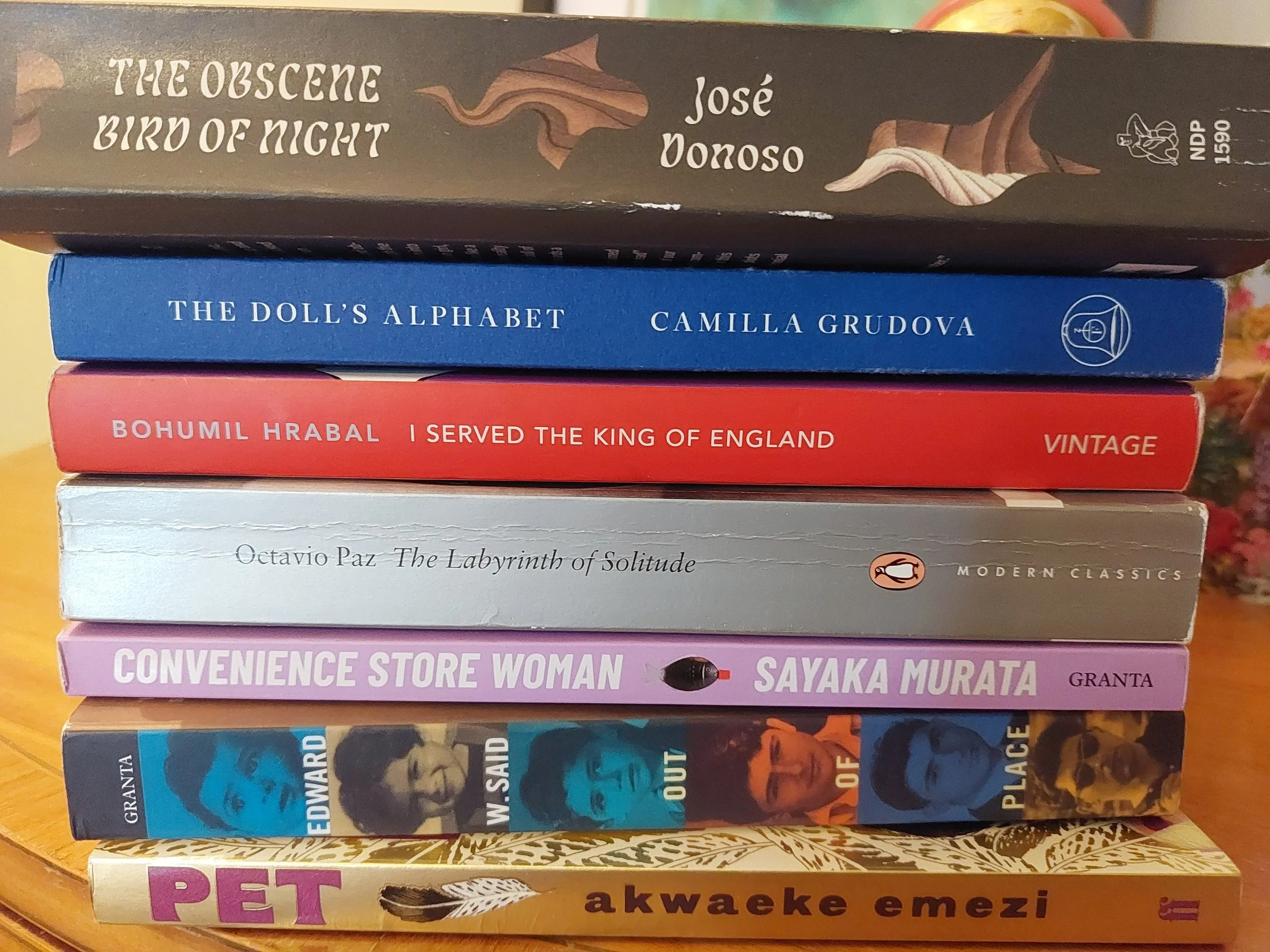
I can’t believe we are here again, but 2025 has seemingly melted away into oblivion, and all that’s left is the memory of all the great books we read last year. As per usual, Sam has done a consistently monstrous amount of reading, and my reading journey was scatty, sporadic and difficult to pinpoint. Sometimes I would read three books in one week and then not pick up a book for a month; at least I am nothing but consistent in my non-consistency.
Some of my top books last year included Careless People by Sarah Wynn-Williams, Doppelganger by Naomi Klein and Empireland by Sathnam Sanghera. For some reason, I gravitated towards non-fiction books in 2025, because perhaps I couldn’t grapple with the escapism of fiction and just wanted to be slapped in the face by the hard truth.
For Sam, it seems like he mixed contemporary with old classic bangers, of course, there’s some Bolano in there somewhere (FYI, we had pages of the novel 2666 attached to our wedding favours - yes, we really are those kind of annoying artsy people), and Thomas Bernhard made the list once this year. I can always tell when Sam’s reading Bernhard, as he’s exceptionally morose and talks a lot about Austria.
So here’s Crash Rhino’s top 25 books of the year 2025, about a month later than planned and cobbled together from the countless hours we spent staring at a Kindle screen or the luxury of holding a real-life book in our hands.
25. I Who Have Never Known Men
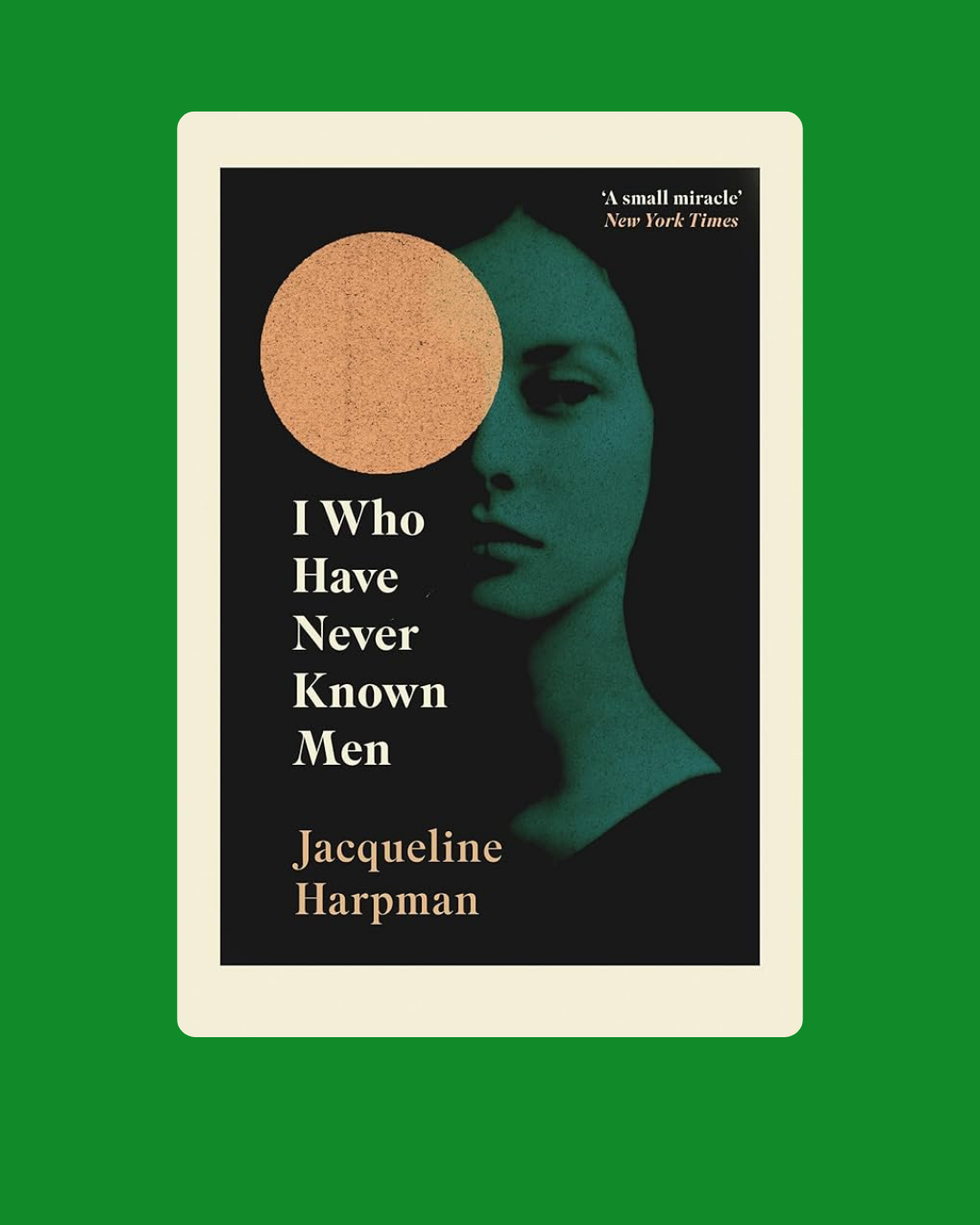
Bleak sci-fi where a group of women are kept imprisoned in a bunker underground and have as such never known men - apart from the guards that watch them behind the bars but don't worry about that.
I think this suffers from not being as good as some fairly similar books like Handmaid's Tale and Parable of the Sower - it's in many respects an amalgamated form of both but doesn't reach the heights of either. Still worth a read though, glad it's received newfound hype.
24. We Are Green and Trembling
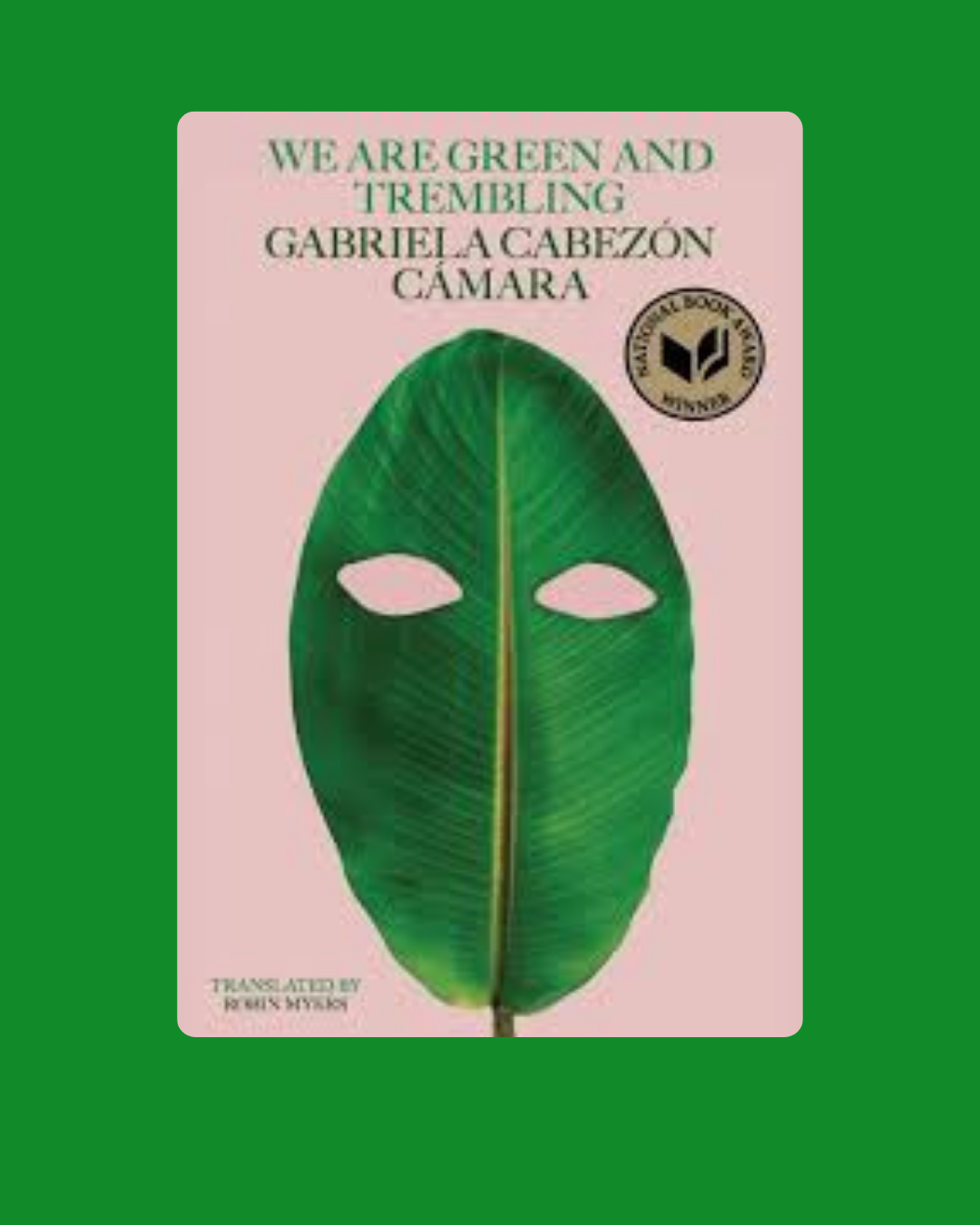
Fictionalised retelling of the story of trans former nun and explorer Antonio de Erauso happening as Latin America is being colonised.
Takes a while to get going, and is mostly surrealist description that could've used a bit more focus, but still a very interesting book.
23. The Housekeeper and the Professor
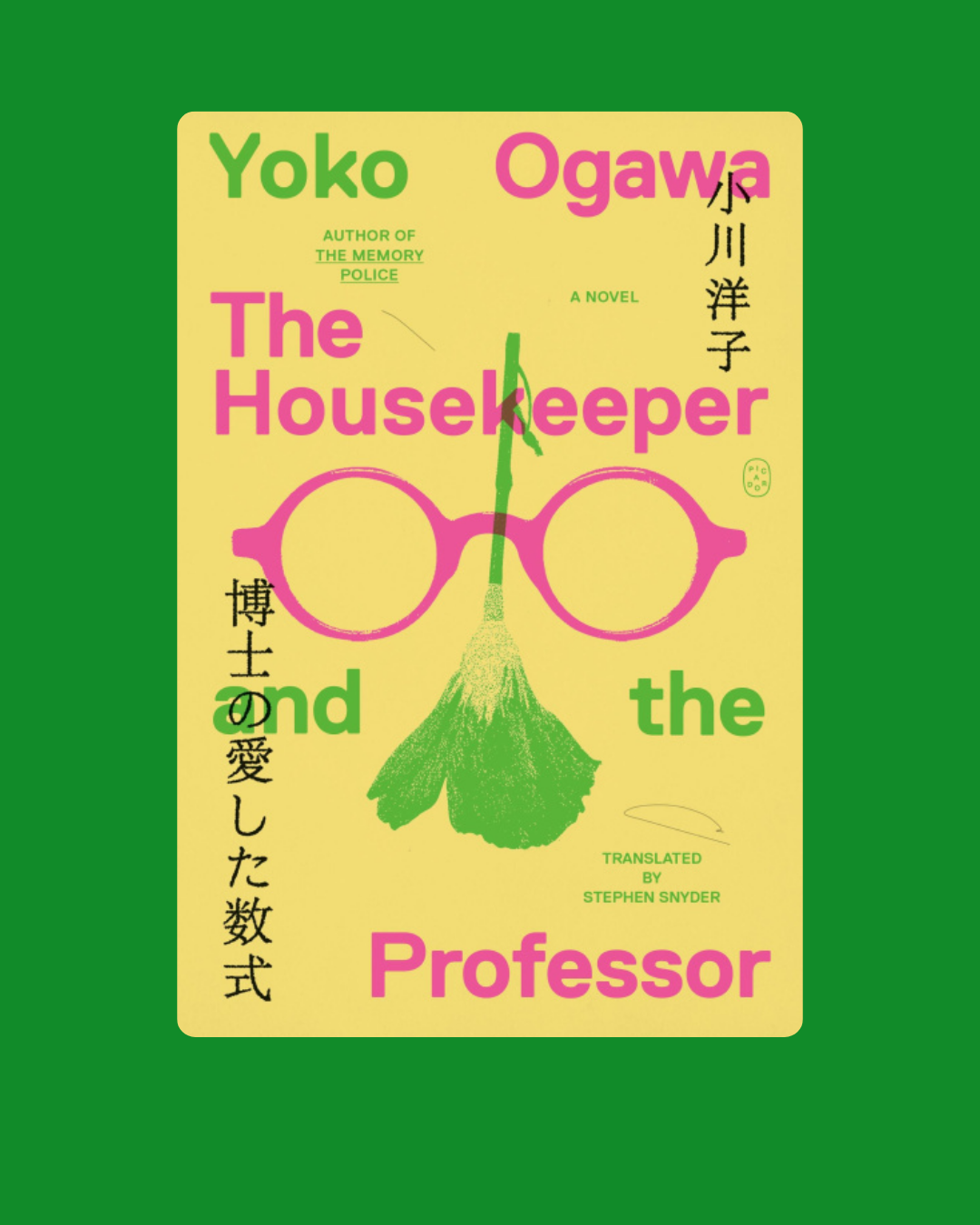
It's about a housekeeper and a maths professor (no kidding) as well as her son called Root, because maths.
I hate maths but this made me care about it, so that's impressive in itself. A very chill book, felt comforting to read - would call it short and sweet but that sounds diminishing.
22. Catch the Rabbit
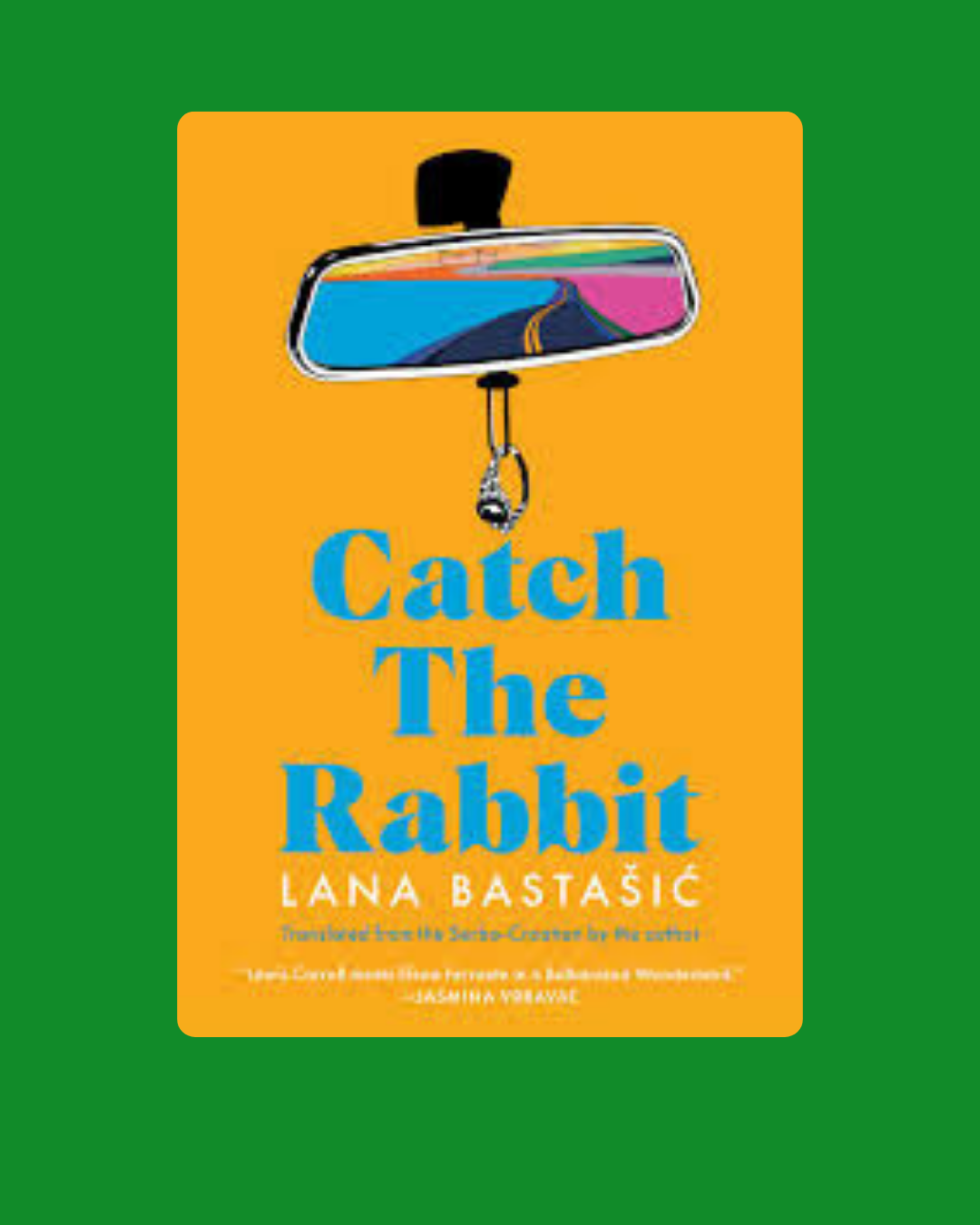
Bosnian road trip that inevitably tackles a lot of trauma around the end of Yugoslavia and the Bosnian war. At its best when it's addressing those feelings directly, as the characters were a bit bland for me - does that thing where one of the characters is a writer who talks about language/writing and sorry I don't care. Nothing more boring than writers talking about writing.
Enjoyed all the sections about misremembering and the echoes of the past though, great stuff.
21. Ring Shout
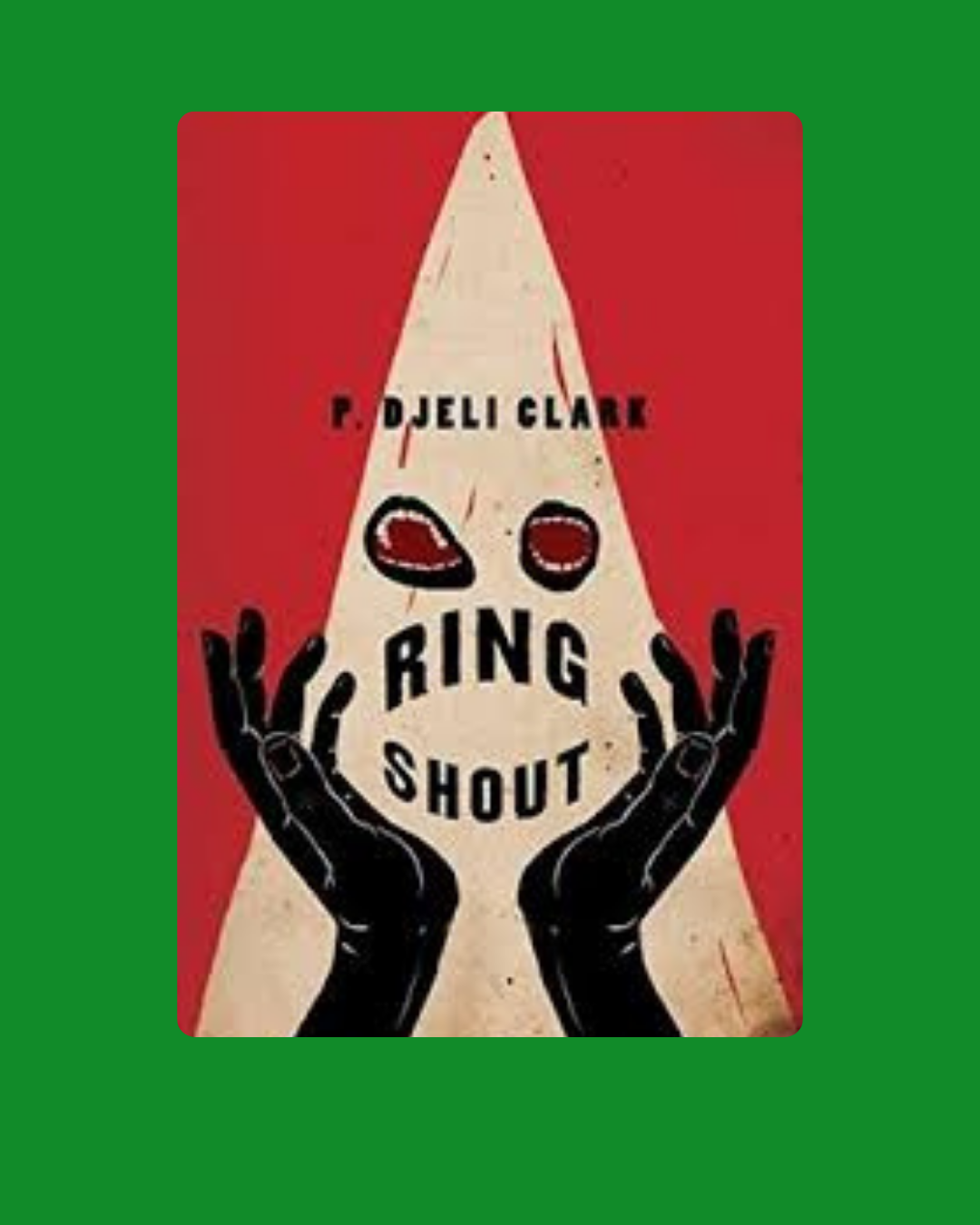
P Djeli out here with another banger - the perfect companion piece to 2025's best film Sinners.
Dark althistory where the KKK are demon monsters. As much of a gory joy to read as that description implies.
20. The Word for World is Forest
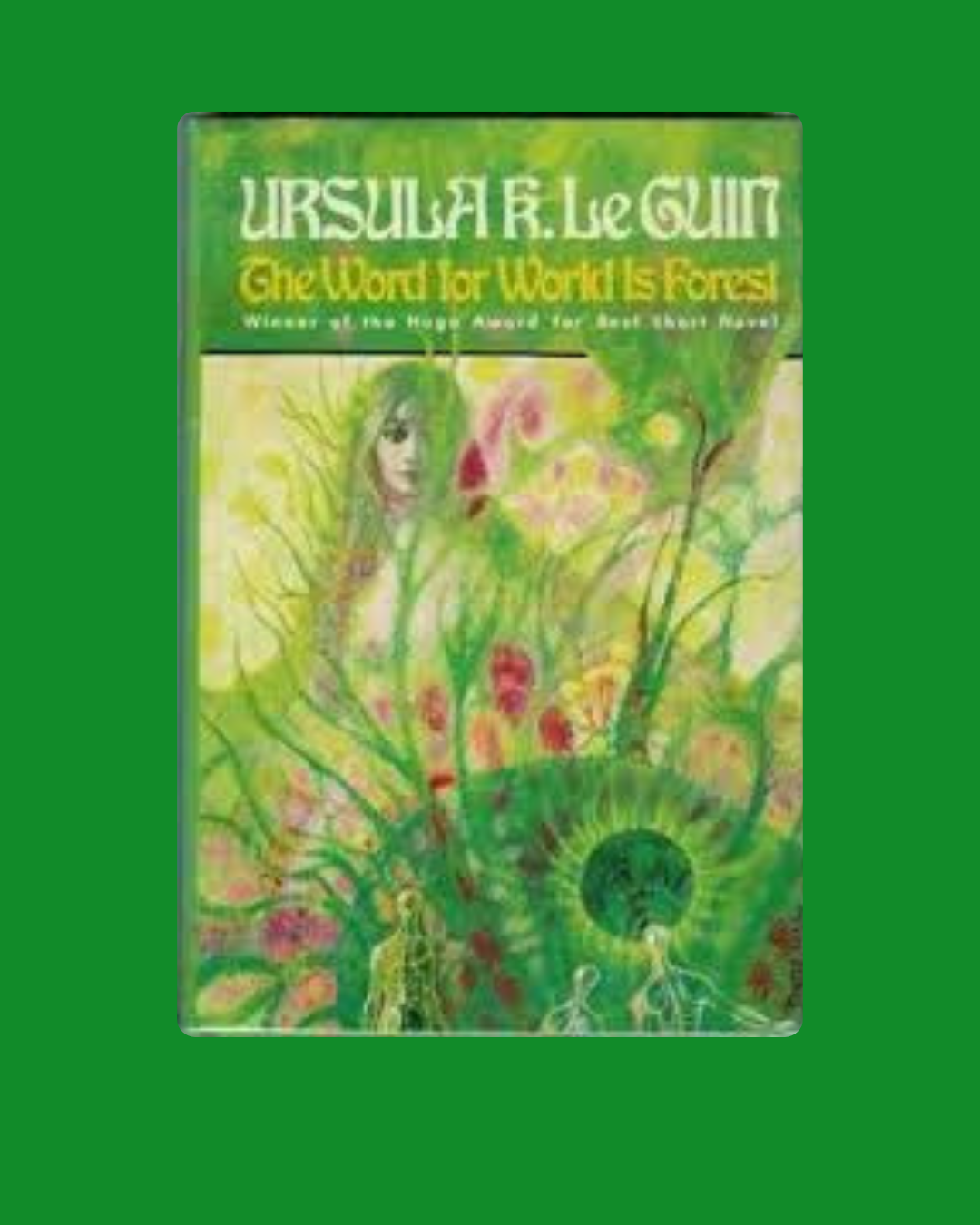
One of Ursula's less complicated novels (it's basically just Avatar, James Cameron absolutely ripped this off), but as it's Ursula it's still fantastic.
I think maybe for me the message felt overly obvious, albeit well told. At its core it's a fairly simple anti-colonialism narrative, wrapped in Ursula's unique tint of sci-fi. Not my favourite of hers but still well worth reading - might make a good entry point for anyone who hasn't read any of her work before.
19. Trust
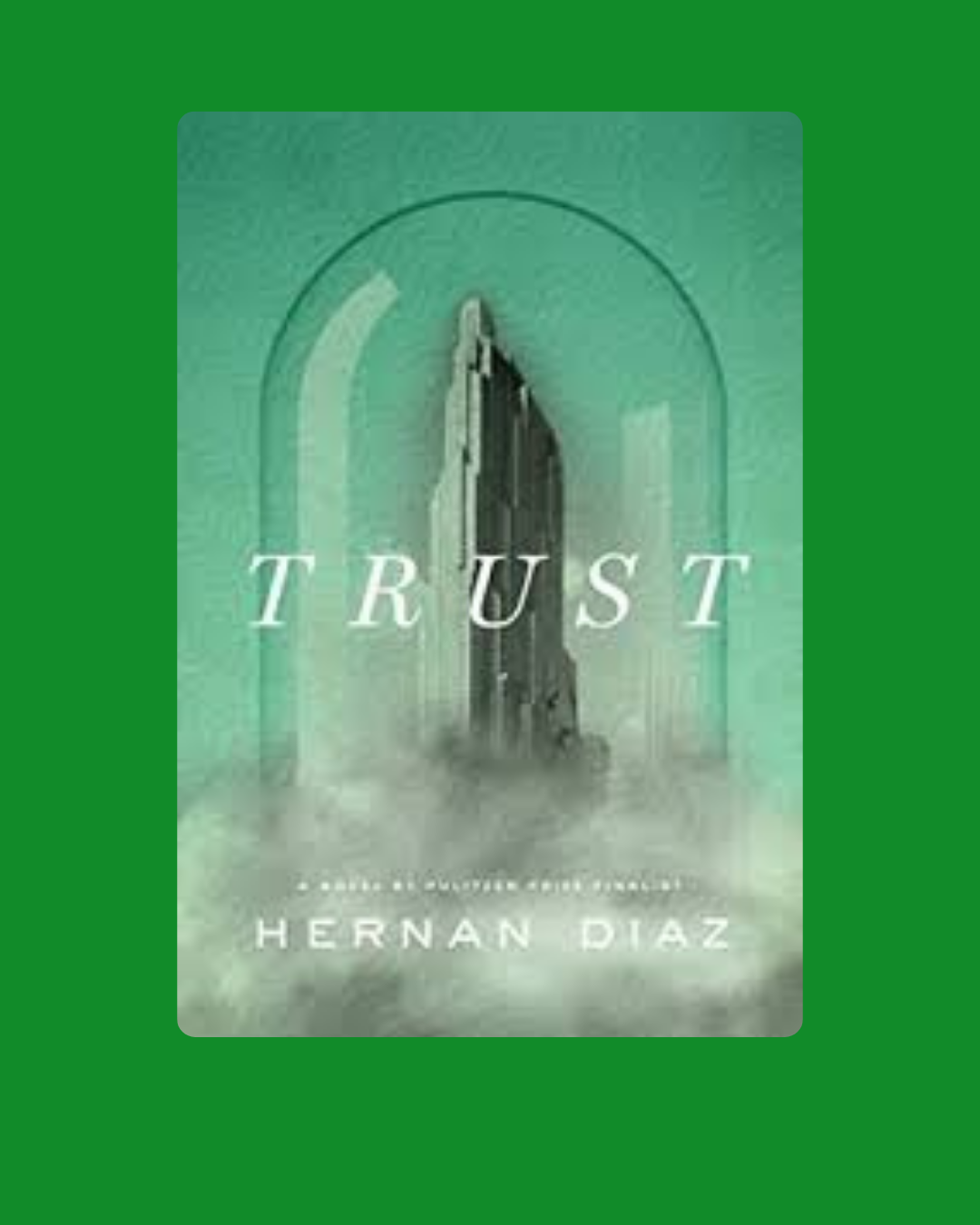
The story of a suspicious global financier and his wife told through 4 varied and often metatextual perspectives. This is what I'd call palatable experimentation - it's just different enough to feel interesting to those who read bestsellers without actually doing anything groundbreaking.
The biggest weakness of trust is the characters are all paper-thin. It's an easy read though and I particularly enjoyed the final section. Also appreciated how it was able to build up suspense, which feels like a rare achievement in writing these days.
18. The Last Samurai
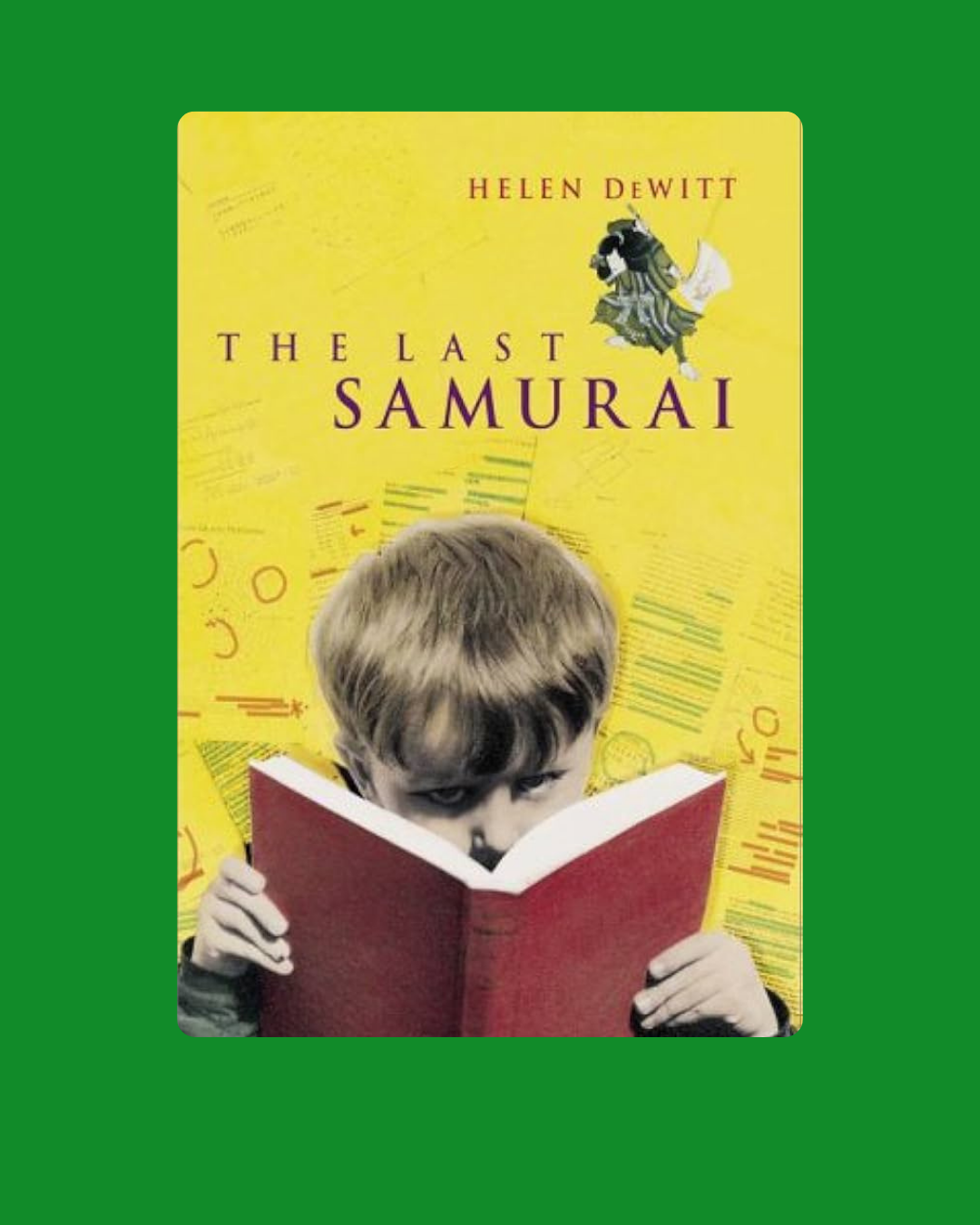
So torn on this as its meant to be one of the leading examples of capital L Literature since the turn of the millennium. I think maybe the child narrator threw me off a bit, as it's very rarely something I enjoy - this admittedly handles it better than most.
It's also based in London, which is the second most boring setting for anything after New York. Positives though as there are many - the writing itself is really quite brilliant, disarmingly so, it must've been such a complicated book to pull together. I also liked it's central question of what genius is, and thought the novel was at its best when going through each father. It's a great book, just maybe not as great as I was hoping for for my personal tastes.
17. The Skating Rink
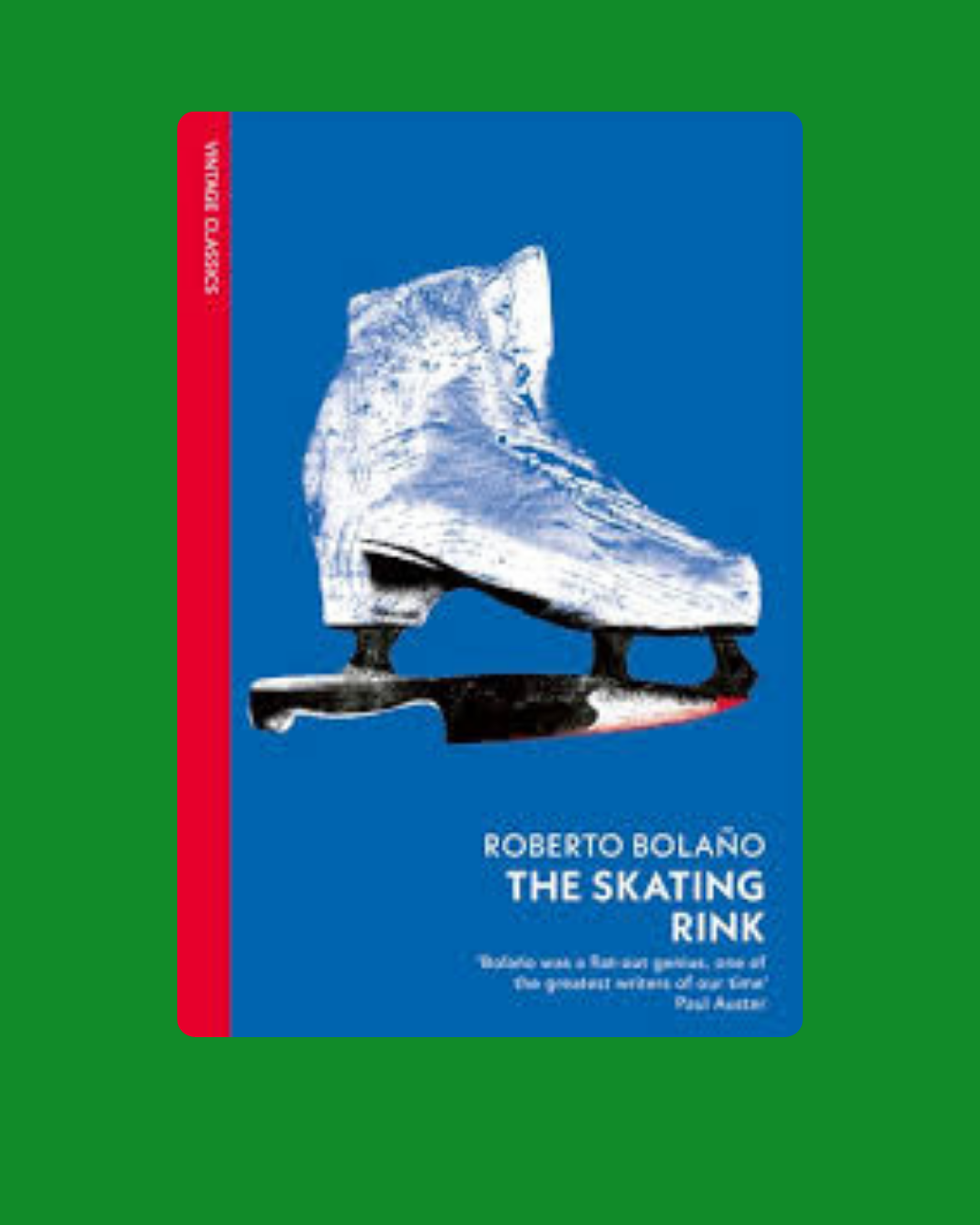
Undoubtedly one of Bolaño's formative and less important novels, but this was still an incredible read. I can still picture the main skating rink scenes swirling around in my head.
Bolaño is the GOAT because his work always feels so expansive. There's so much life lurking beyond the pages - this murky, endless void of continuation. He understands intrigue better than anyone, and it's a treat to see him tackle a more straightforward detective story, even if he's clearly not reached his peak at this stage in his career.
16. Purple Hibiscus
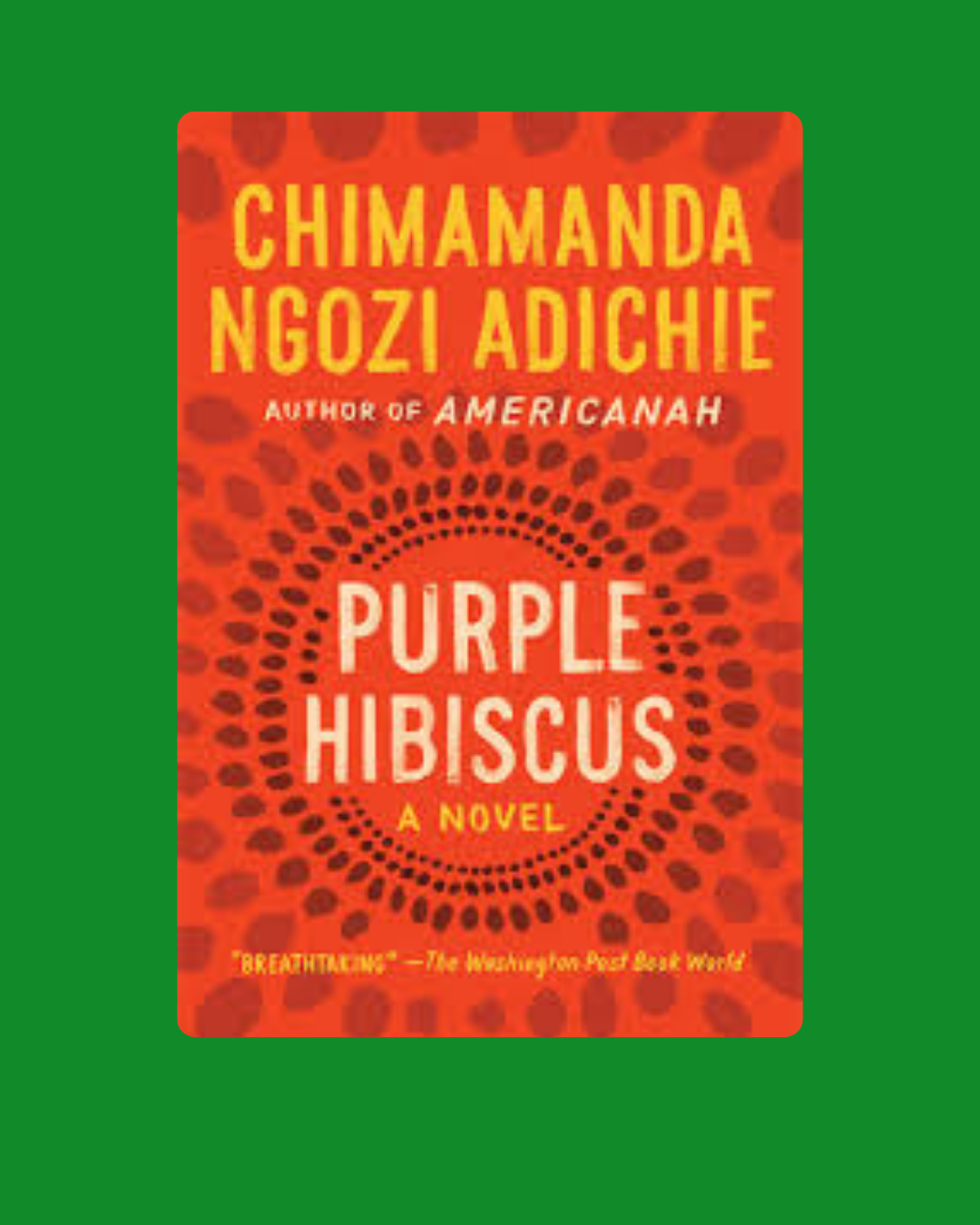
Completely ludicrous that this is a first novel. A Nigerian bilgunsroman anchored by a religious zealot of a father figure, also set against the backdrop of the Nigerian civil war. I've always felt that family-focused stories are some of the hardest to get right, but this both managed it and made it look easy.
This was also my first time reading Chimamanda Ngozi Adichie and I definitely want to give her more recent (and arguably more well known) novels a look.
15. Territory of Light
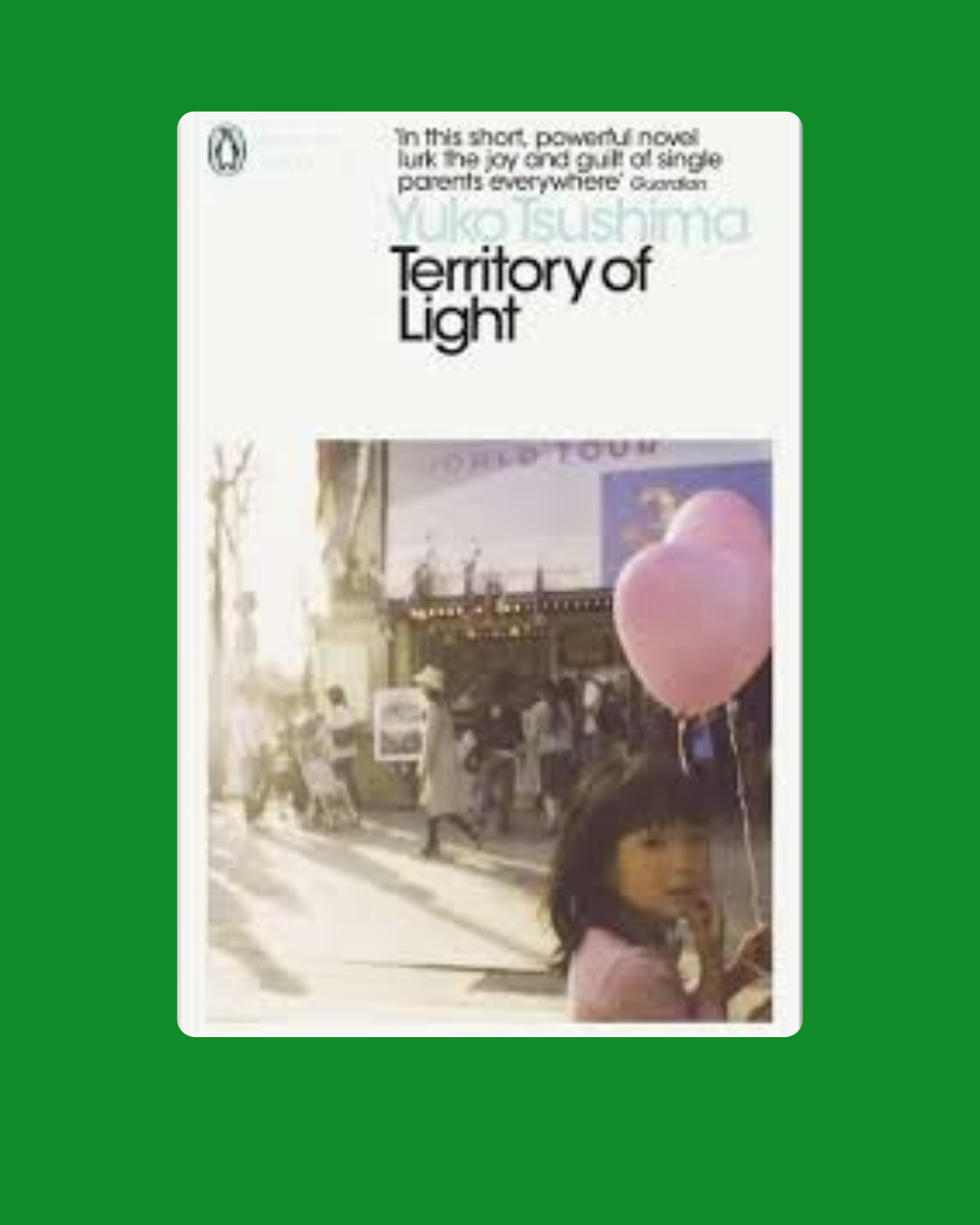
A single mother takes care of her son in Tokyo, told in 12 chapters which were originally serialised fragments. As a result you get this very dreamy sense of progression where we're following the same characters across different episodic and loosely connected situations.
It's obsessed with light - there's some gorgeous descriptions in here of the way the sun enters their flat or streaks across a pool. There's also a lot of introspection about self-identity, particularly as a single parent living in a country as notoriously shame-inducing and societally uniform (or at least striving to be) as Japan. Found it a far more impactful novel than its short length suggests.
14. Infernal Desire
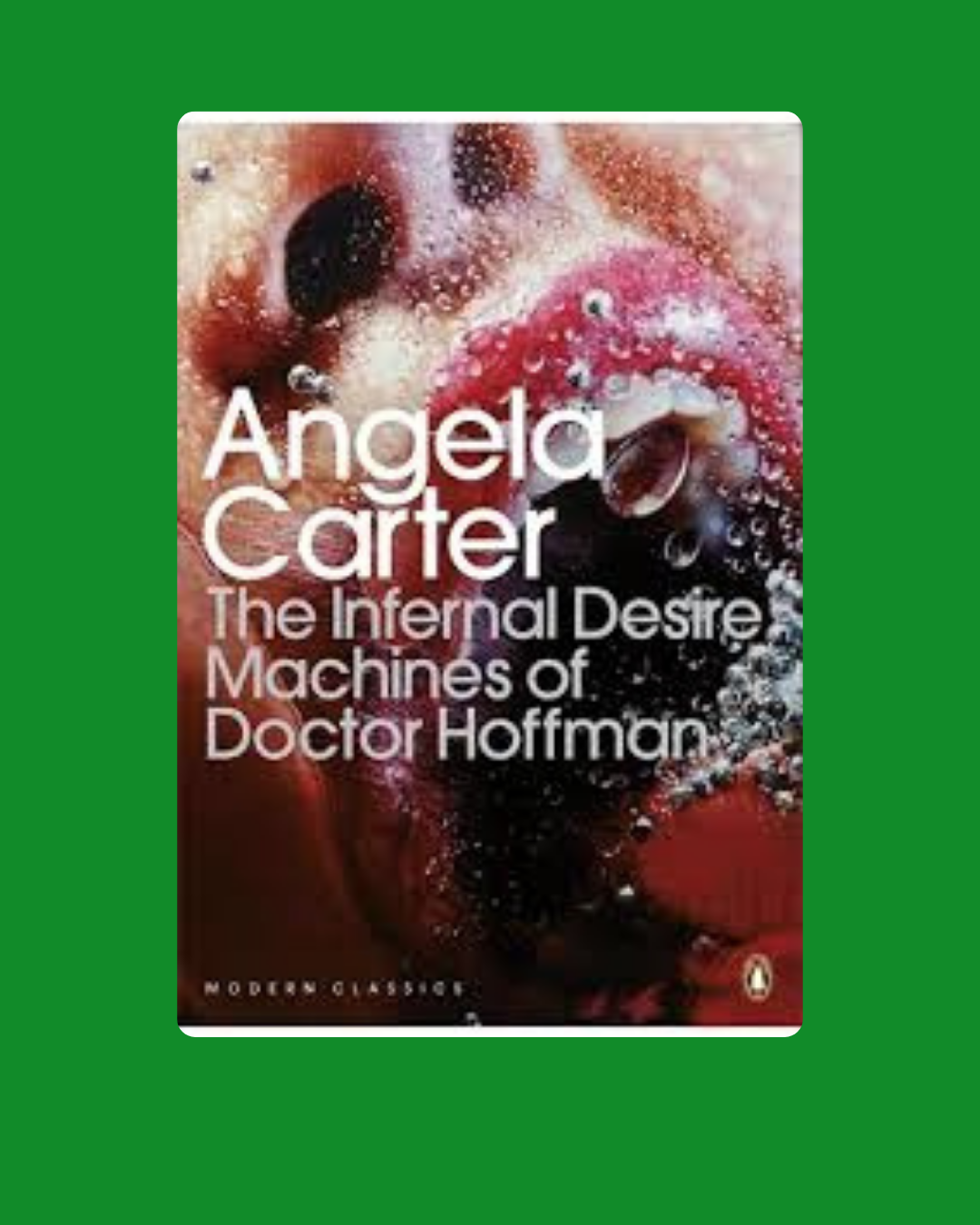
Weird even by Angela Carter's usual standards. Found it quite hard to cling onto anything in here, it's a bit of a sex-laden fever dream with a very loose skeleton of a plot holding it together.
It's one of my least favourite of hers in truth, but still a wild read. Her imagery is unlike anyone else's, and I always appreciate how often circuses/the carnivalesque pop up in her writing.
13. House of Hunger
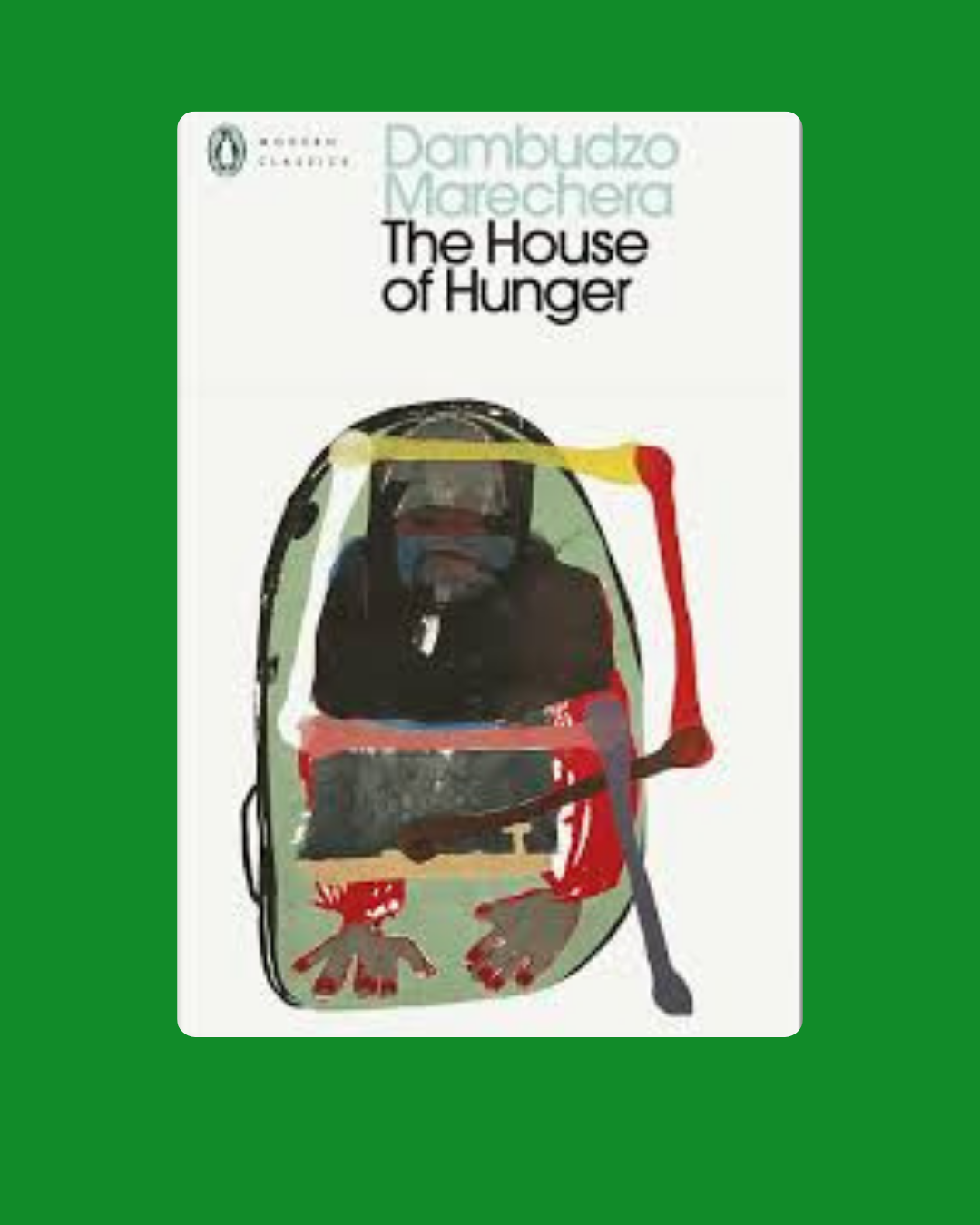
I could take or leave most of the short satellite stories in here, but there's something so gripping about the title story that's stuck with me.
Doris Lessing said Dambudzo Marachera's writing feels like overhearing a scream, which seems as accurate as you can get. It feels violent to read, desperate, like he's going for your throat. A unique talent, and a crying shame that this is one of the only books he finished.
12. Still Born
What I found most impressive about Still Born is Nettel's ability to write such a readable novel whilst tackling such a delicate topic.
It's hyper-focused on the concept of motherhood - wanting it, not wanting it, wanting it and it not being what you thought it would be - with a really strong narrator who manages to balance the complexities involved whilst still delivering a believable, engaging story.
11. Zami
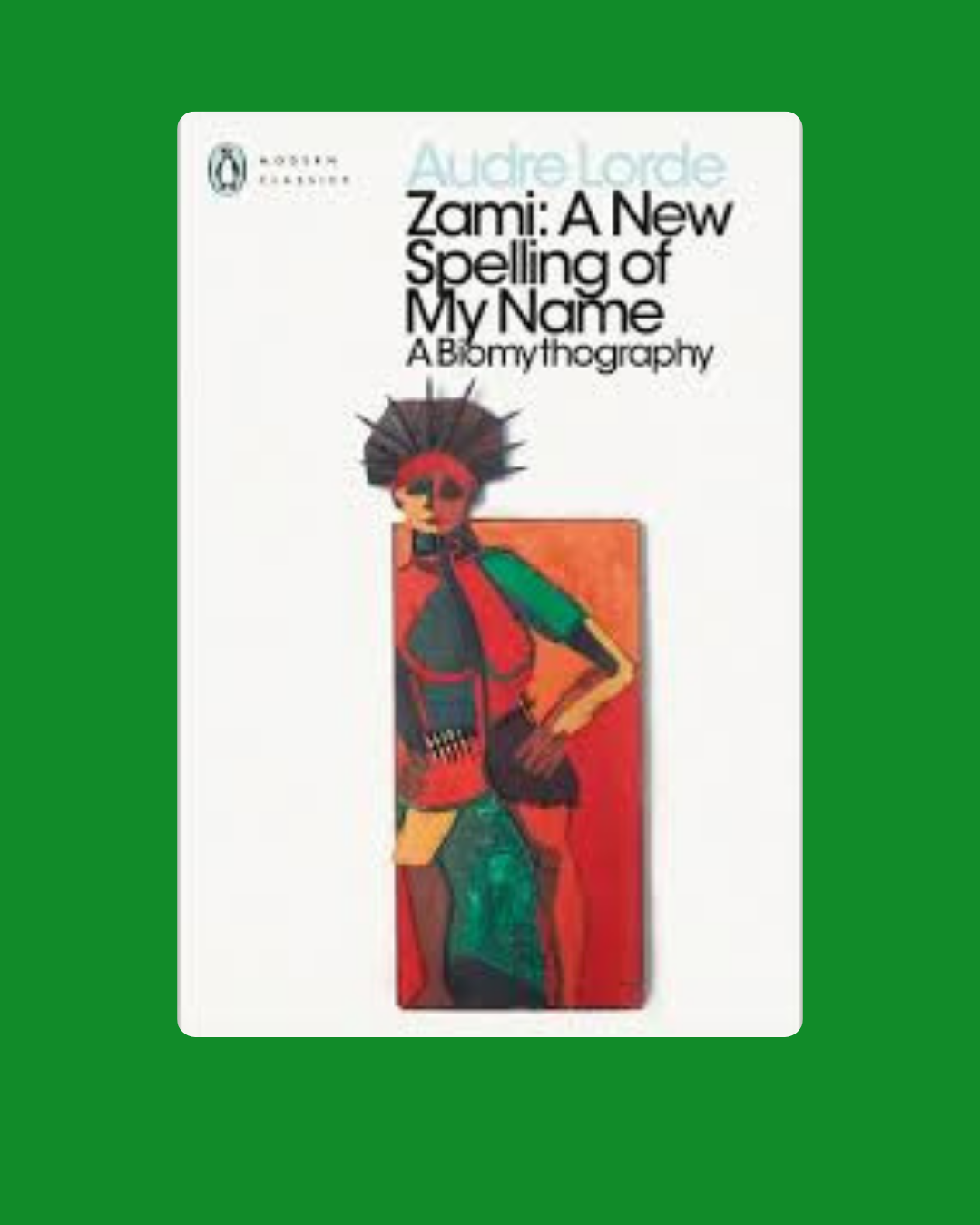
I usually hate memoirs (people talking about themselves, boring), but Audre Lorde hits different. This focuses on her upbringing in Pre-WW2, later McCarthyist Harlem, and explores the women who made an impact on her life as she grew up.
The world would be a much better place if people read more Audre Lorde. She's one of vanishingly few talents who just drops the most heart-wrenching quotes out of nowhere and then keeps going. The Genevieve passages are still haunting me.
10. The Old Drift
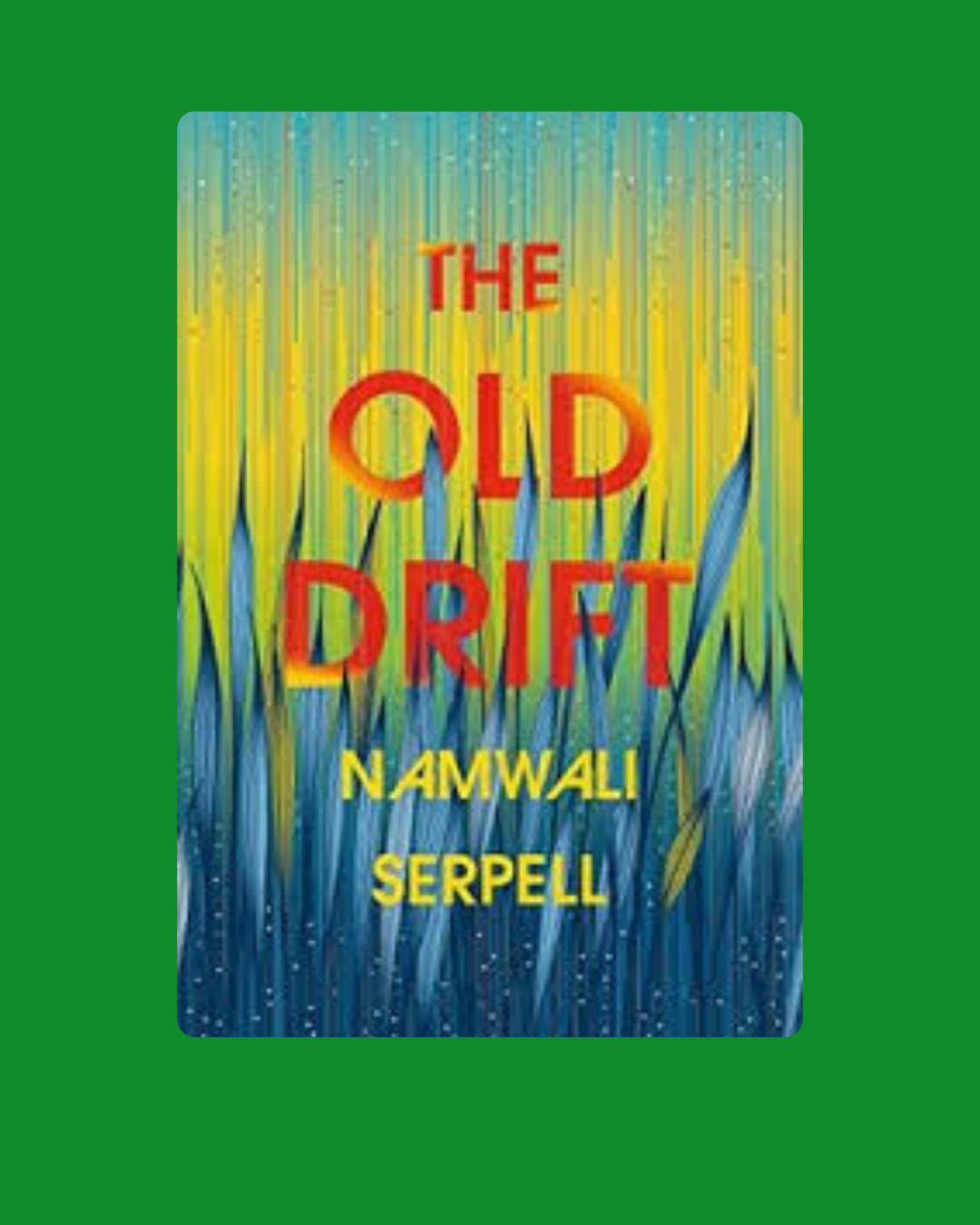
Old Drift is long, uneven and doing too much. It's split into three parts - adored the first, second lost me a bit and the third just about dragged me back.
It follows three generations across Zambian history, from the days of Rhodesia to an imagined future. It's an ambitious book, and it doesn't always land, but the characters are all vivid and the novel's sheer density (it's very much an epic) is overwhelmingly impressive. I also love it when books take historical fiction and inject a bit of speculation/sci-fi into it, possibly my favourite kind of weird hybrid genre.
9. Extinction
Bernhard's longest and last book, 325 pages, which sounds manageable until you remember this is Bernhard. I'm a freak for the guy but his style does not lend itself to a novel of this length.
It's your standard affair - male narrator is obsessed with something (his ancestral home of Wolfsegg) and talks about it with minimal full stops whilst also hating on Austria. I loved it as it's very much my thing, but I also fully acknowledge that most people wouldn't. His better novels are half this length and this felt like a genuine physical challenge to finish but I'm glad I did it.
8. Alamut
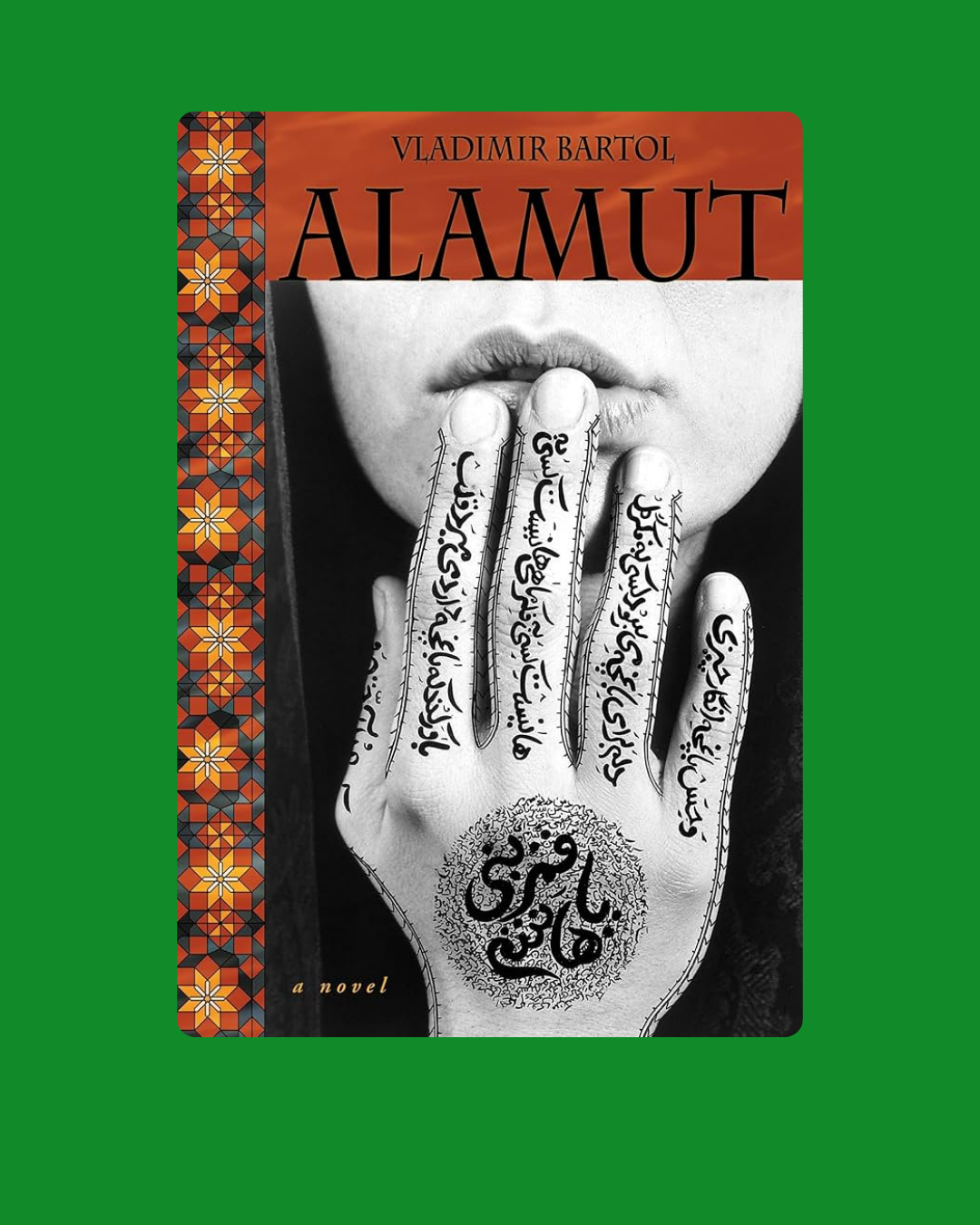
Wanted to read something Slovenian in Ljubljana and apparently this is *the* novel. It also inspired the first Assassins Creed game which is fun.
It's about Hassan-i Sabbah and the order of assassins he founded in the 11th century. Mostly told from two perspectives; Halima who's a houri and ibn Tahir who joins the self-sacrificial fedai soldiers. Did take a little while to get going, but it's a detailed look at fanatacism and how leaders corrupt those who follow them. Very odd that this was written by a Slovenian guy in the 30s - struggle to fathom the amount of research he must've put in to achieve this level of detail.
7. The Empusium
Another Olga, another classic. Great to see her back to a shorter, concept-driven novels after the behemoth that was Books of Jacob.
One of those books that makes you just fucking love reading, yaknow? The Silesian sanatorium has a very realised sense of place, there's a sprinkling of myths, saying many things in a way that doesn't disrupt the mystery or narrative, all that good stuff. It isn't anywhere near as sweeping as BoJ but I almost preferred its conciseness.
6. Solenoid
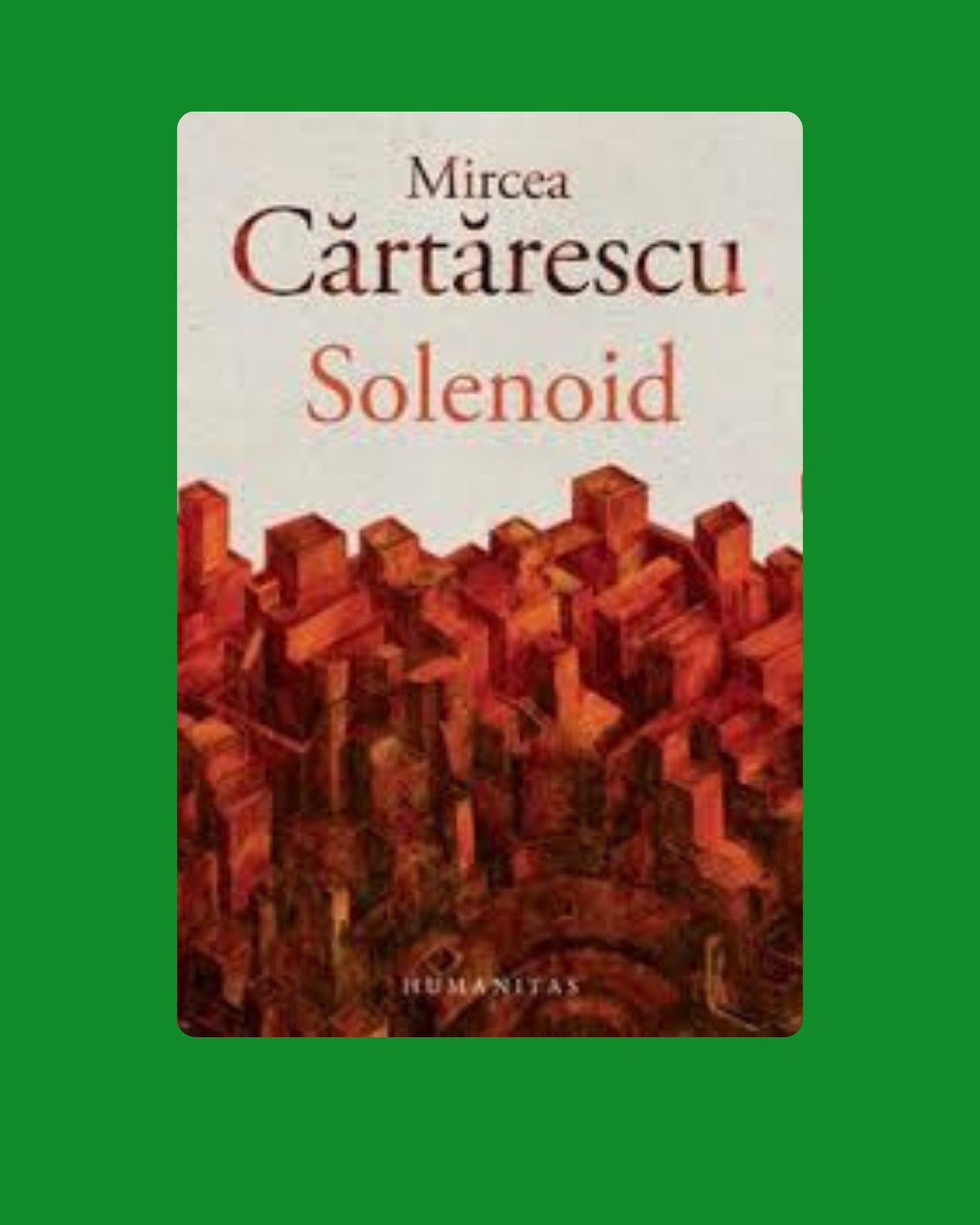
Lol. About a third of the way through this I thought it was guaranteed to be one of my new favourites, and then it just kept going. And going. And going.
Cărtărescu has boasted about the fact that he didn't edit Solenoid at all, and that's such a weird flex because he really should have. It's infuriating because on a sentence by sentence level, this novel is unbelievable. Some of the vignettes in here will stay with me for ages.
But there's also so little of actual substance. Barely any plot, barely any characters - notably the women characters are all fat or whores btw which is obviously tragic. There's something fascinating here, and I still appreciated it (clearly as I've ranked it this high) but it isn't quite the contemporary masterpiece it's being lauded as in my opinion.
5. Vermillion Sands
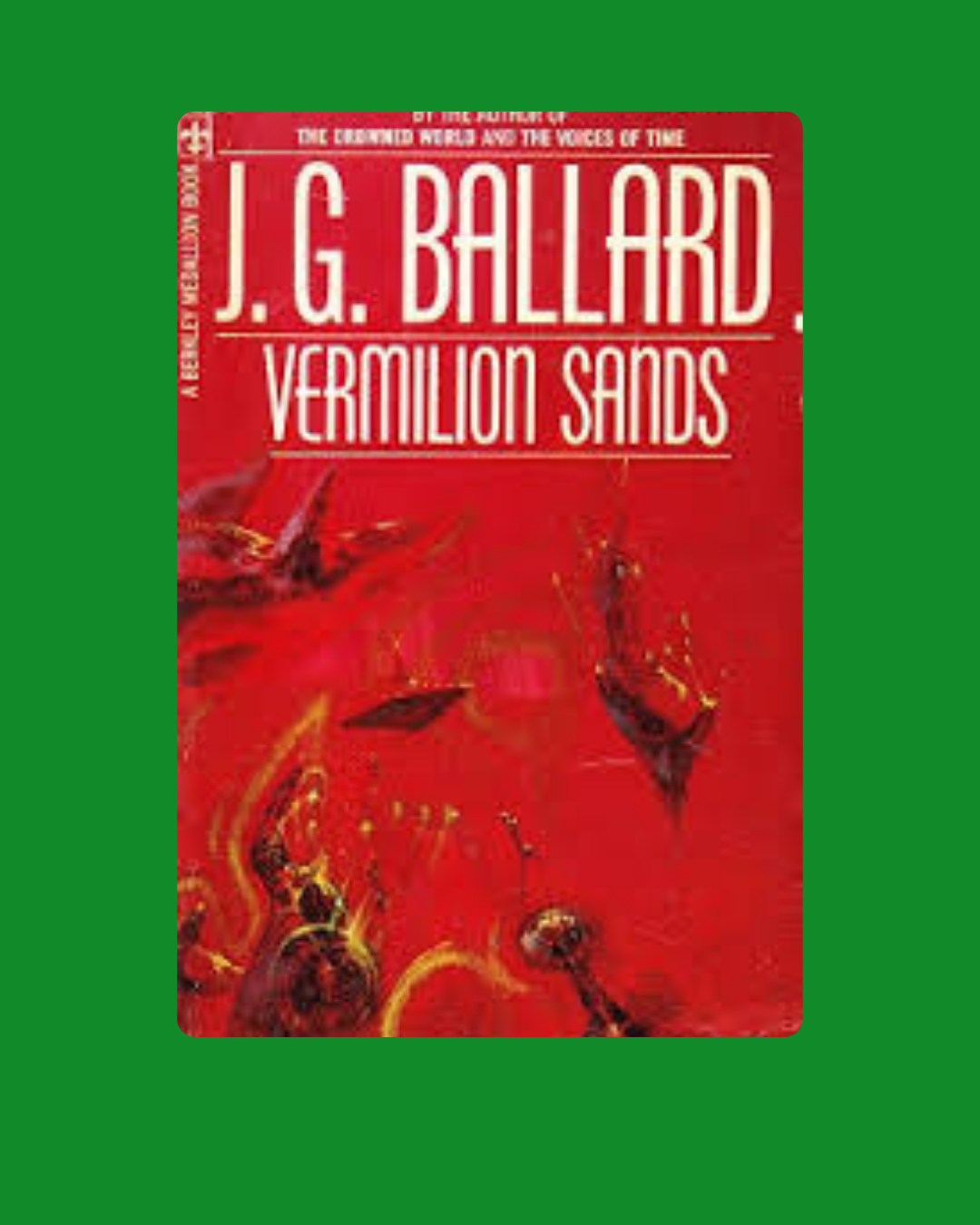
I haven't read any Ballard for years, and never any of his short stories. But Atrocity Exhibition was always his best work so I thought I'd try a collection.
All the stories in Vermillion Sands are set in a fictitious vacation resort, which is essentially an even later stage California. Each story then tends to focus on one artform or tech in a warped way. One story focuses on a pilot who carves sculptures out of the clouds, another on houses that change depending on the resident's mood. There's even one about automated poetry machines which is far too prescient for a collection published in the early 70s.
That's the level Ballard operates at - there are more imaginative ideas in each single story here than most writers ever come up with. Loved it.
4. Notes of a Crocodile
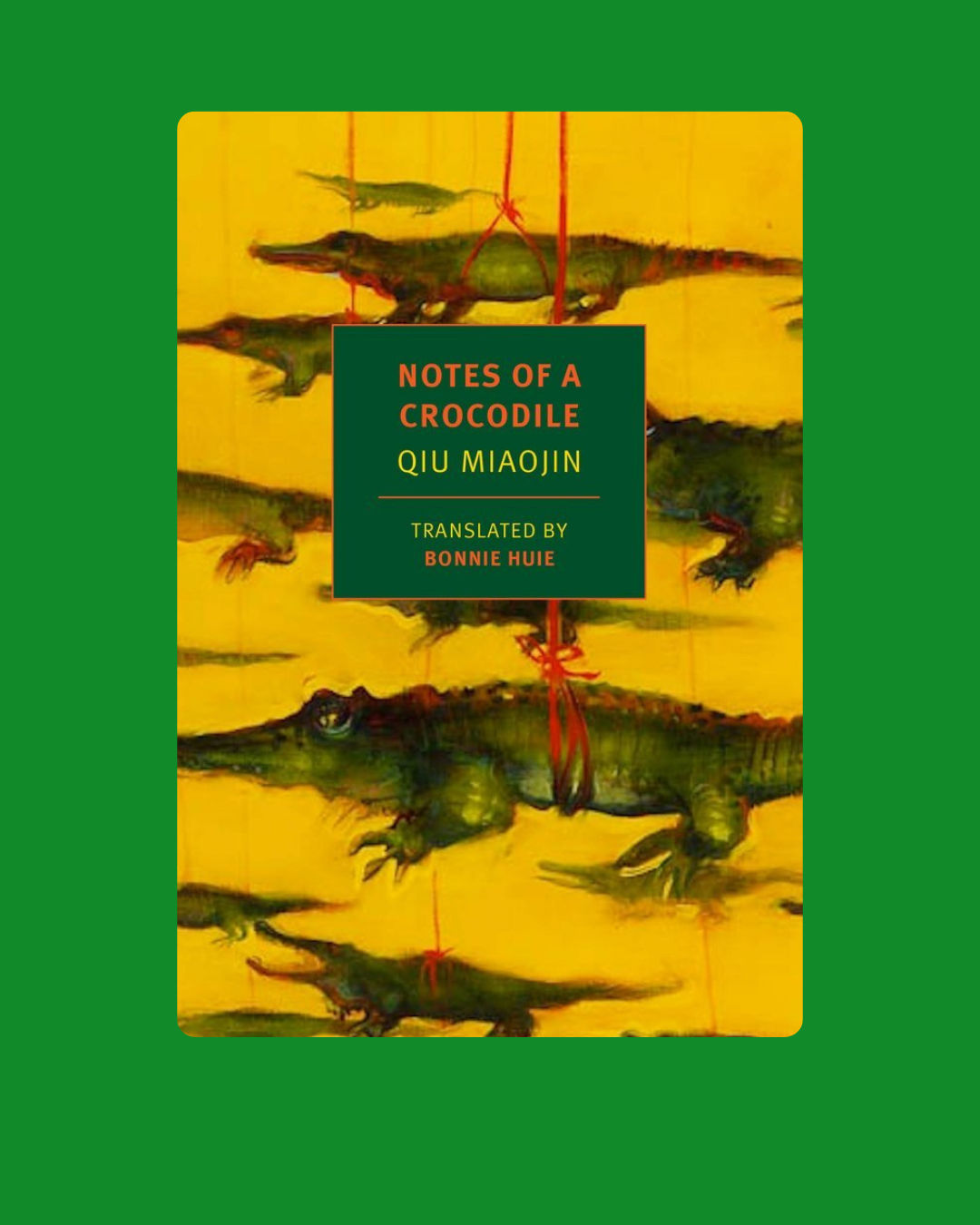
One of, if not the most important Taiwanese LGBTQ+ novels. This completely floored me.
It was published when Qiu Miaojin was just 25. The next year, she died by suicide. You can feel some of that pain in here, but it's also such a sincere piece of work. Some people might think it too nihilistic or angsty, but it really spoke to me. I've rarely come across anything as beautiful, painful and true as the feelings expressed here - of queerness, of not being accepted, of feeling abandoned by the world.
3. On Heroes and Tombs
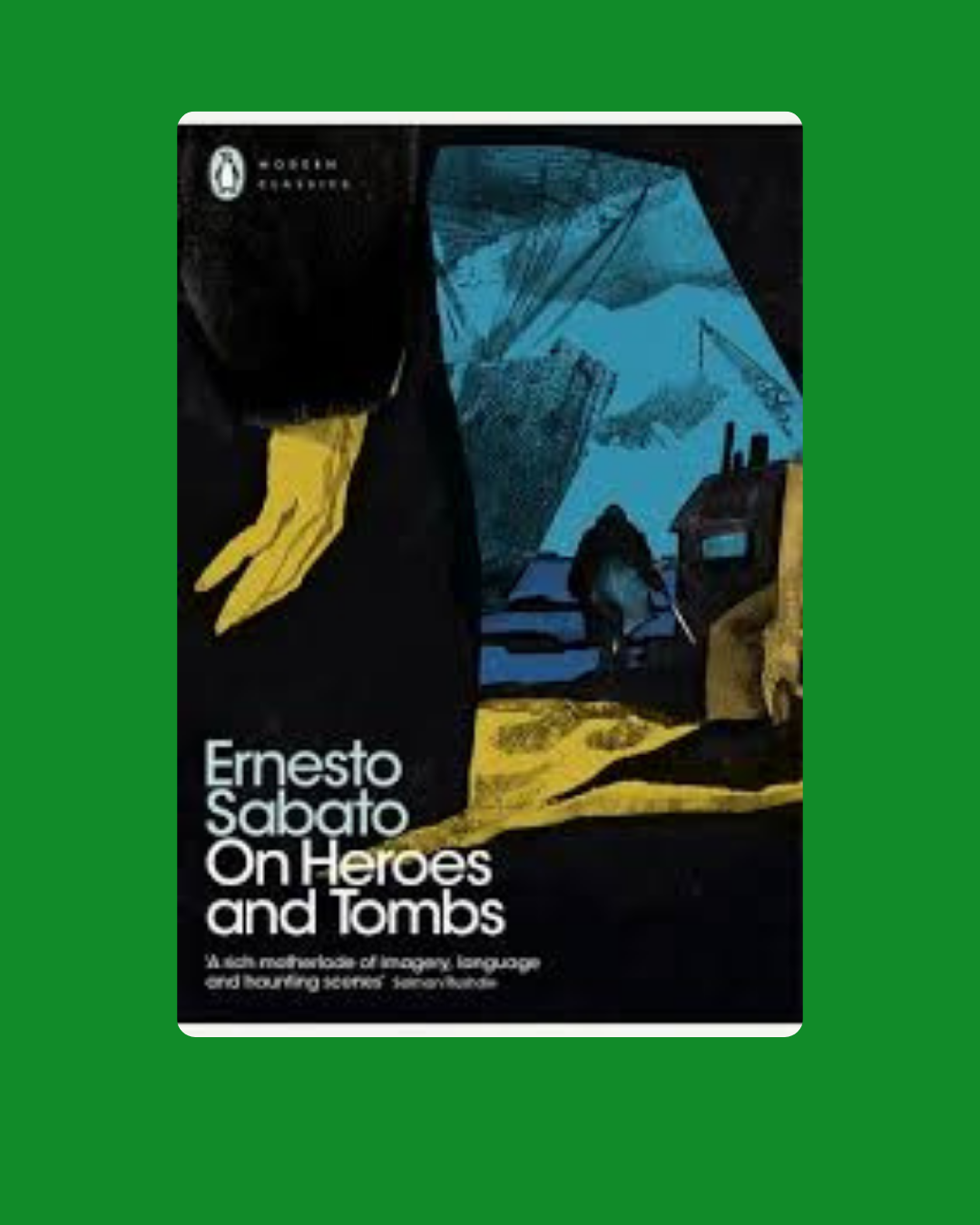
What a nightmare. I feel like this would've hit even harder if I had a better grasp of Argentine history but it was still invigorating.
Felt similar to The Obscene Bird of Night in that here's such darkness here - blindness and the constant fear of it is maybe the central motif, and the Fernando Vidal section that runs with that the furthest is some of the most visceral writing I've ever read. Existential, human, claustrophobic, harrowing. The real stuff.
2. Germinal
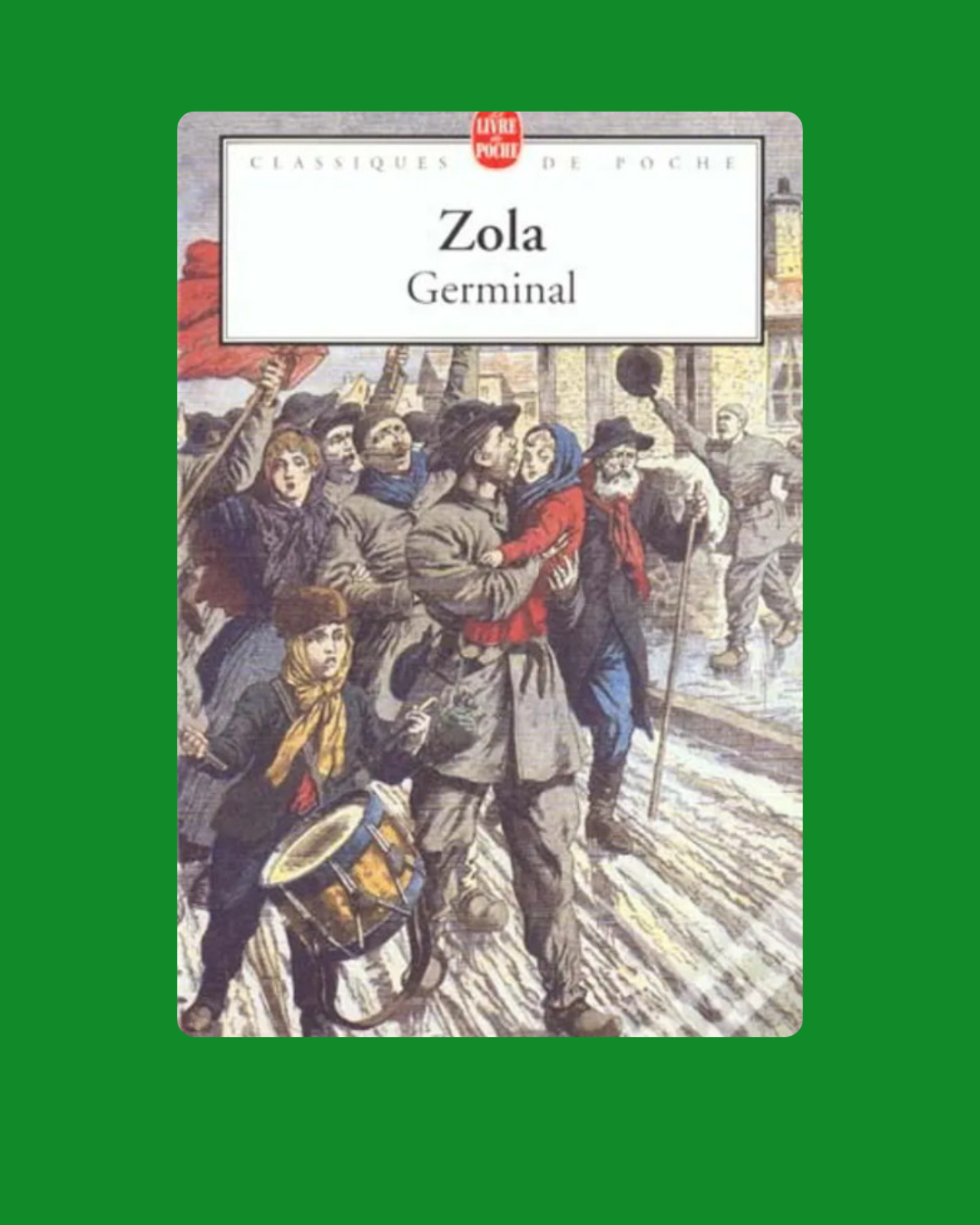
Germinal is 140 years old and it's just as relevant today as the day it was published. Zola's masterpiece, focused on a coalmining strike in Northern France.
The finest piece of writing on the class struggle I've come across. Does an impeccable job of not just positioning the plight of the miners, but getting into the head of their oppressors in the upper class.
1. Trieste
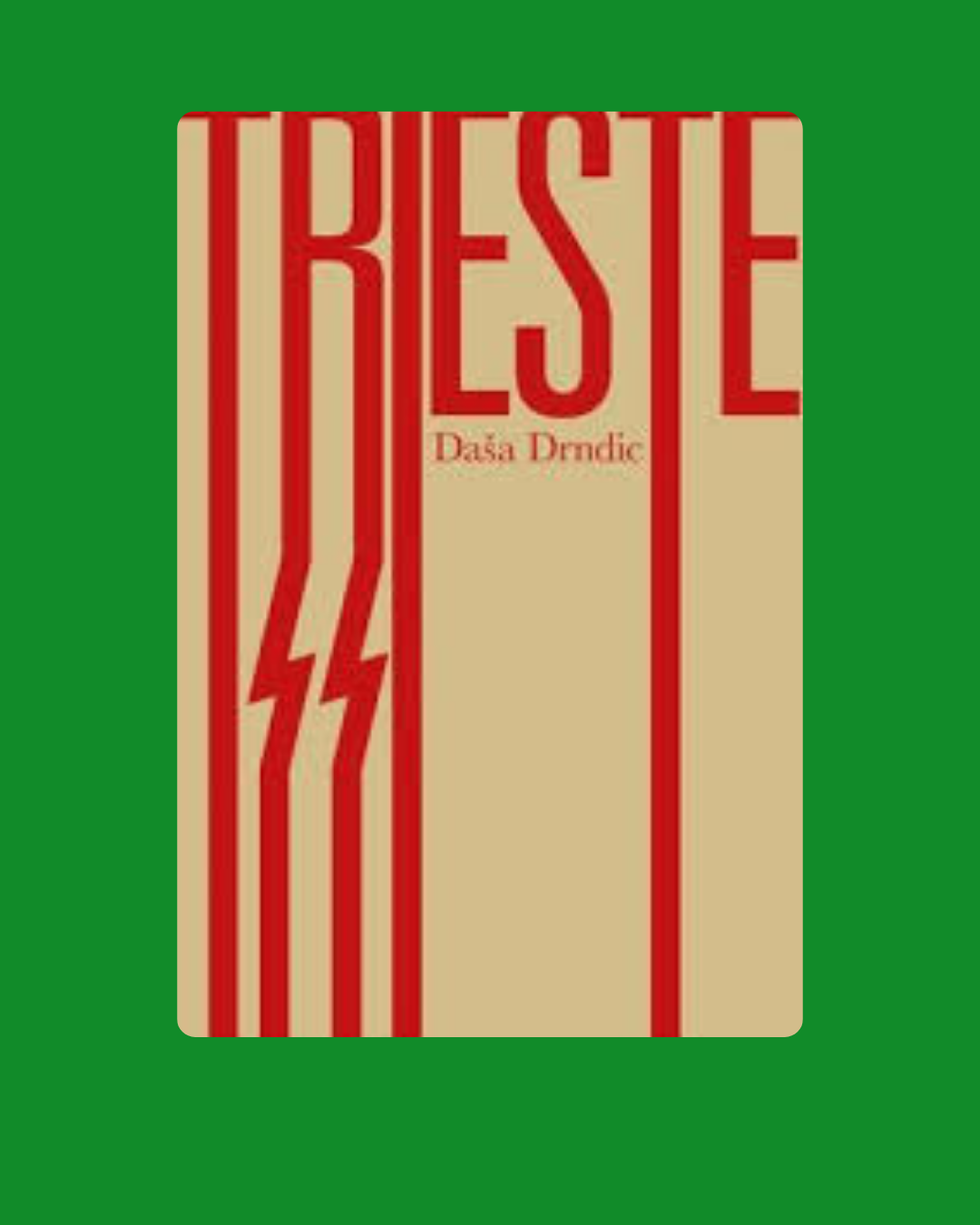
Daša Drndić doesn't just carry Sebald's mantle, I think she surpasses him. Trieste has a similar echoey approach to historical documentation, with a fixation on what happened in Trieste, and by extension what happened all across Europe beneath the boot of the Nazis.
One of those books that changes you forever. The Swiss weren't neutral, individual Nazis were rarely punished, and the atrocities committed back then are still being felt all across the continent today. It's a brutal read but a necessary one. I don't think I'll ever stop thinking about it.
Roundup of Crash Rhino’s Top 25 Books of the Year 2025
So there you have it, a comprehensive list of all the books you need to add to the forever-expanding TBR pile. For 2026, you can expect much of the same. I’m still on a non-fiction kick, where most of it details the wide-reaching and devastating effects of the British Empire (I’d recommend Empire of Cotton: A Global History by Sven Beckert if you’re interested in the mechanics of how capitalism as we know it today was formed).
We’re also planning to read fiction from all the places we visit this year, so I’m looking forward to some translated works from Armenia and Uzbekistan, as well as Austria, which I guess means Sam is reading even more Bernhard.
At Crash Rhino, we’re always on the hunt for great book recommendations, so if you’ve read something fantastic recently that’s not on any of our lists, please send us a message and let us know what we’re missing.
These words are also completely free, but we also write words for our livelihood and to keep the lights on. If you’ve got some copy that needs polishing, a campaign that needs some creativity or an email messaging sequence you can’t figure out, then get in touch and we’ll be happy to assist.
Head to our contact page here with your request, and we’ll get back to you as soon as we can.
